
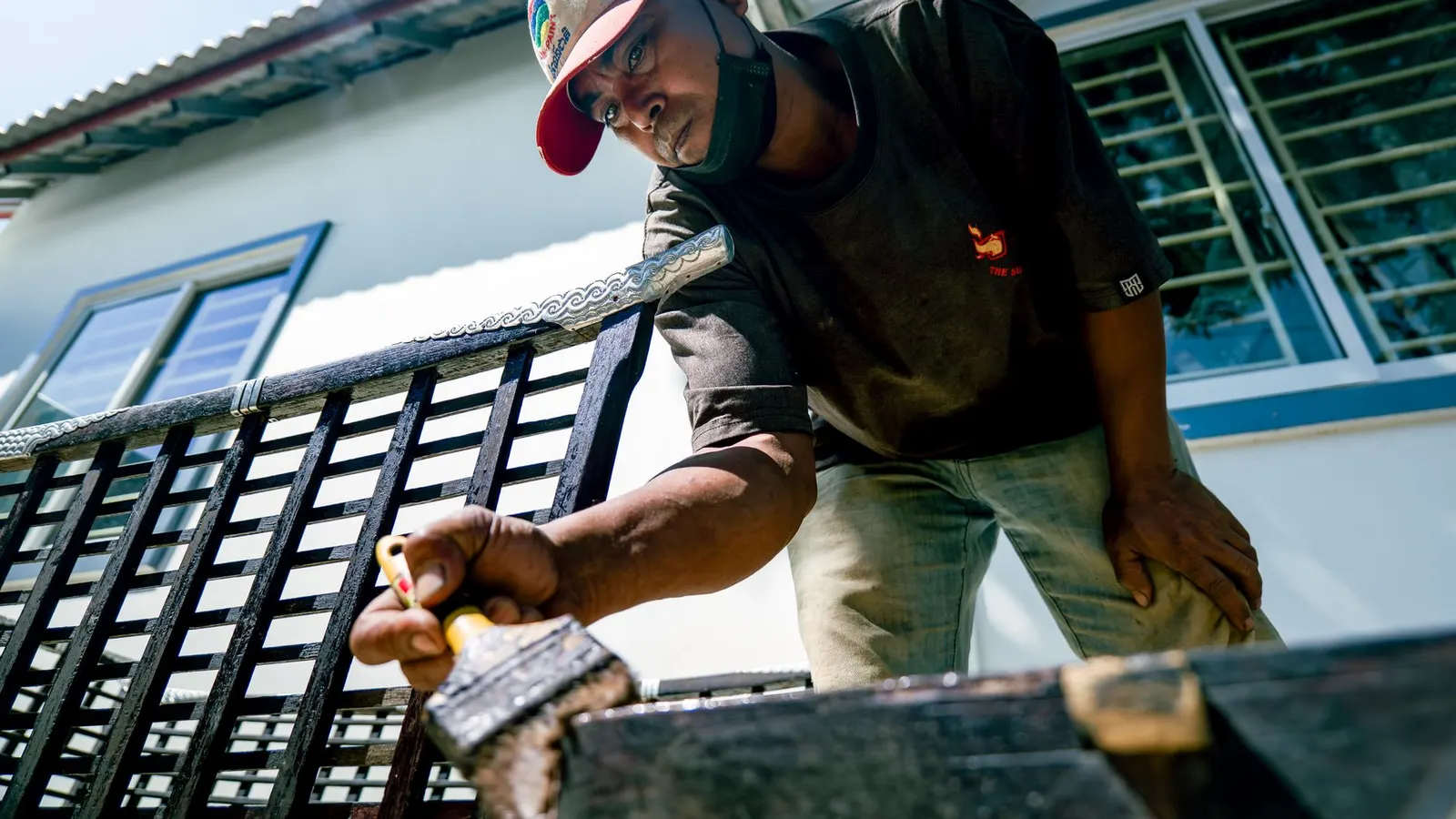
Exterior Painting in Lynn, MA
Scrape, prime and paint the right way, so your home's exterior holds up to New England weather.
The outside of a house takes the worst of the weather: sun, rain, freeze-thaw cycles and, in Lynn, salty air from the coast. Exterior paint is a protective layer as much as a color choice, and once it fails water gets to the wood underneath.
A lot of homes here are older wood-framed houses, including tall triple-deckers where the work has to be done at height, with clapboard, trim and porches that all need different attention.
A good exterior job starts long before any paint goes on the wall: washing, scraping, repairing rot, priming bare spots and caulking every joint.
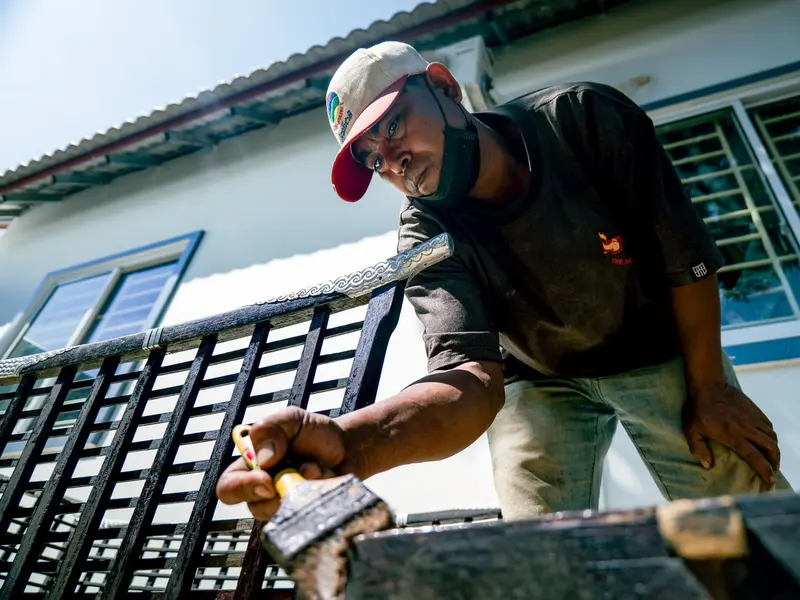
Signs your exterior needs paint
- Peeling, cracking or blistering paint
- Chalky residue that rubs off on your hand
- Bare or gray wood showing through
- Caulk that has shrunk or split around windows and trim
- Mildew or dark streaks that come back after washing
- Paint that has faded noticeably compared with protected areas
How we paint a house exterior
- Inspect. We walk the house to look for rot, failing paint, and areas where water is getting in.
- Wash and scrape. Dirt, mildew and loose paint are removed. On older homes we take lead-safe precautions.
- Repair and prime. Damaged wood is repaired or replaced, and bare spots are primed so the finish coat bonds.
- Caulk and seal. Joints around trim, windows and doors are caulked so water has nowhere to go.
- Paint and clean up. Two coats of exterior paint go on, and we clean the site and check the finish in daylight.
What affects exterior painting cost
Every house is different. These are the biggest drivers:
- Size and height of the house, including scaffolding or ladder work on multi-story homes
- Siding type and how much of it is wood, trim or shingle
- Condition of the existing paint and how much scraping and priming it needs
- Rotted wood that has to be replaced first
- Number of colors and amount of detailed trim
- Extra safety steps on pre-1978 homes with lead paint
Why Kenia Construction for exterior painting
We handle carpentry and repairs too, so rotted trim and damaged siding get fixed before they are painted over.
We plan the job around the weather, not around a calendar, because paint applied in the wrong conditions does not last.
Exterior Painting FAQs
What time of year is best for exterior painting in Massachusetts?
Late spring through early fall, when temperatures stay above about 50 degrees and the surfaces are dry. Painting in cold, damp or very hot direct sun can keep paint from curing correctly, so we schedule around the weather rather than forcing it.
How much prep does the outside of a house need?
More than most people expect. Loose paint is scraped, bare wood is primed, gaps are caulked, and dirt and chalking are washed off. Paint applied over a poorly prepared surface is the main reason exterior jobs peel early.
Do you paint vinyl siding, wood clapboard and trim?
Wood clapboard, shingles and trim are the most common candidates. Vinyl siding can be painted with the right paint and colors that are not much darker than the original, since dark colors can cause warping in the sun.
Is lead paint a concern on an older Lynn house?
It can be. Homes built before 1978 may have lead paint under newer layers, and scraping or sanding it creates hazardous dust. Pre-1978 homes need lead-safe work practices, so please tell us the age of your house.
How does coastal weather affect exterior paint?
Lynn is close to the water, so salt air, humidity and wind-driven rain wear on paint faster than they would inland. Good prep, quality exterior paint and sealed joints make a bigger difference here than color choice.
Ready to protect your home's exterior?
Call or message us to set up a time for us to look at your house and talk through the work.